The post-workout window is real — and what you eat in the 30 to 60 minutes after training directly affects how well your muscles recover, how quickly soreness resolves, and whether the effort you just put in actually translates to the result you’re working toward. The problem with most commercial protein bars and shakes is that they deliver protein alongside a list of ingredients that reads like a chemistry textbook. These 23 no-bake protein balls solve that problem directly: they’re made from whole food ingredients, they deliver genuine protein from real sources like nut butter, protein powder, hemp seeds, and Greek yogurt, and they taste good enough that eating them feels like a reward rather than a recovery obligation. Each recipe includes specific protein content guidance, real ingredient ratios, and budget-conscious tips — because fueling well shouldn’t require a supplement budget the size of a gym membership.
1. Classic Peanut Butter Chocolate Protein Balls
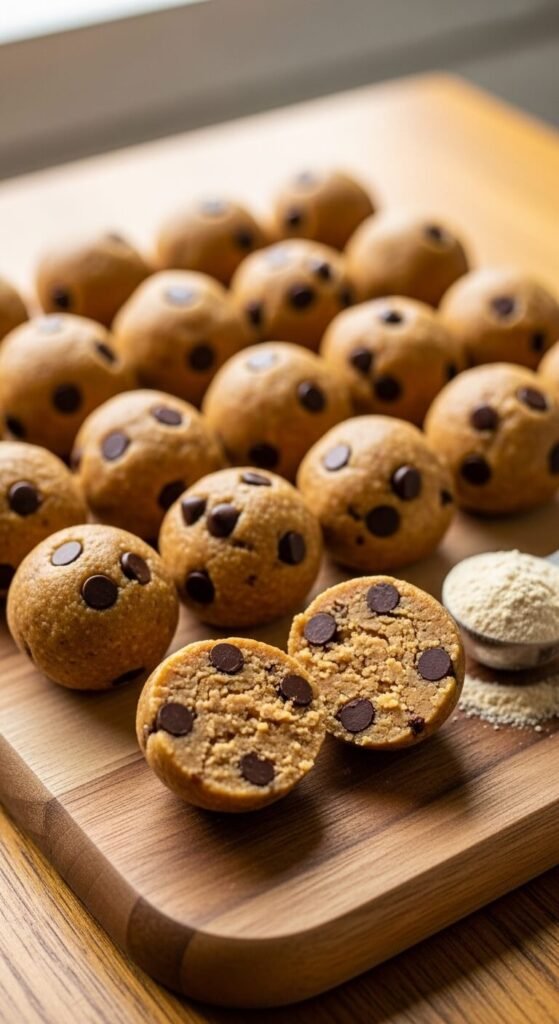
The foundational post-workout protein ball — rolled oats, peanut butter, vanilla whey protein, honey, and mini chocolate chips in a ratio that delivers approximately 7 to 8 grams of protein per ball. Use vanilla whey protein for the most neutral, complementary flavor — it mixes cleanly into peanut butter without producing the chalky aftertaste that casein and plant-based proteins sometimes create in cold applications. Keep protein powder to ¼ cup per batch maximum — more than that produces a dry, crumbly texture that peanut butter can’t rescue. Refrigerate 30 minutes before rolling. Budget tip: a standard whey protein tub handles about 15 batches at roughly $0.40 of protein powder per batch.
2. Chocolate Almond Protein Balls
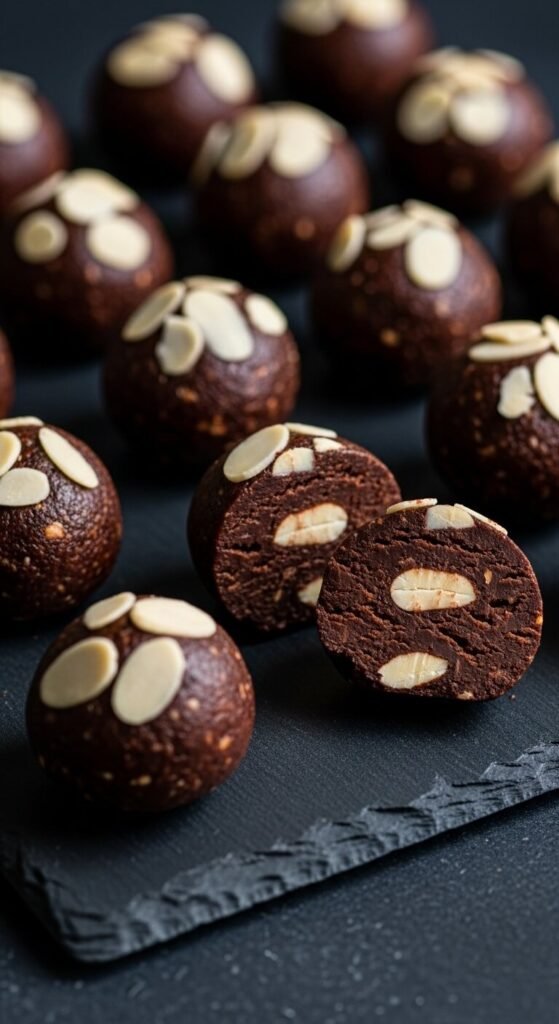
Dark cocoa, almond butter, chocolate protein powder, honey, and rolled oats produce a post-workout ball with approximately 8 grams of protein per serving and a genuinely satisfying dark chocolate flavor. Use chocolate whey or plant-based chocolate protein for a double-chocolate effect — the cocoa powder and protein powder work together to produce a darker, more intense flavor than either alone. Add ¼ teaspoon of almond extract alongside the vanilla — it amplifies the almond flavor without requiring more almond butter. Press sliced almonds into each ball before refrigerating. Budget tip: store-brand cocoa powder costs about $3 per container and handles 20 batches of protein balls.
3. Vanilla Coconut Protein Balls
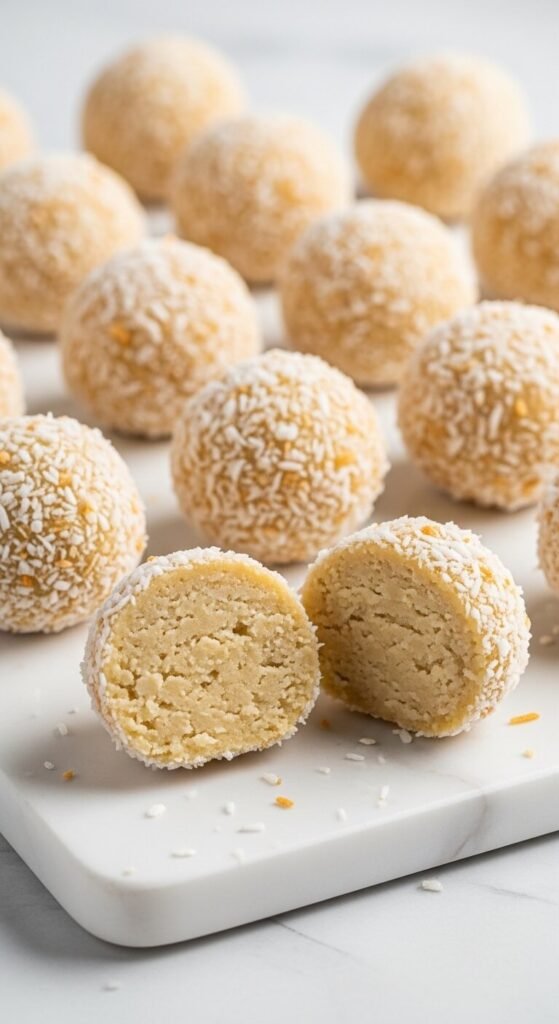
Rolled oats, cashew butter, vanilla whey protein, honey, and shredded coconut produce a lighter, more tropical-tasting protein ball that delivers approximately 6 to 7 grams of protein per serving. Toast the rolling coconut in a dry skillet for three minutes until golden — toasted coconut has a noticeably more complex, nutty flavor than raw coconut and makes the finished ball taste more intentional. Cashew butter’s mild flavor allows the vanilla protein to come through clearly. Roll in toasted coconut for a clean, bakery-style appearance. Makes 18 balls for about $5 in ingredients. These travel well in a small sealed container in a gym bag for up to four hours.
4. Greek Yogurt Protein Balls
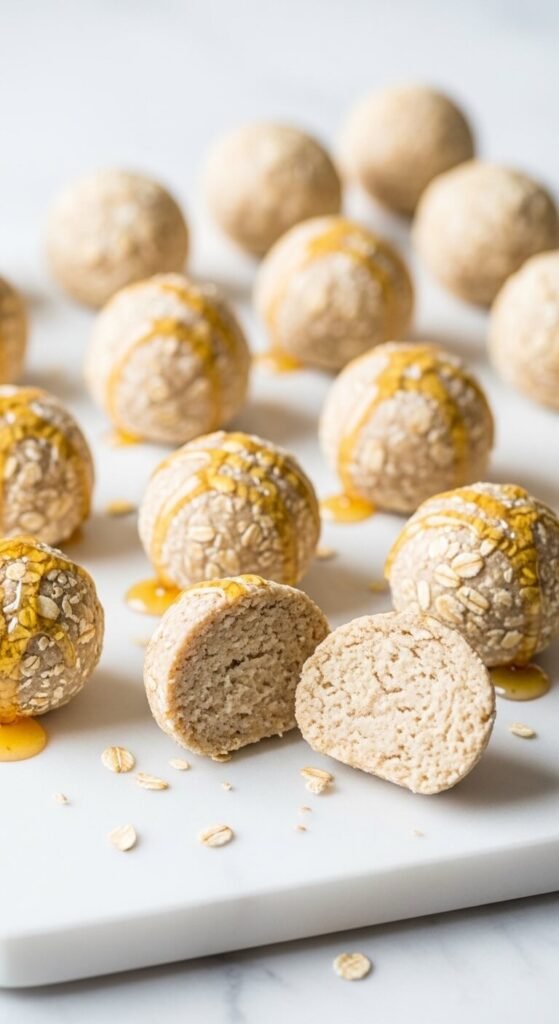
Full-fat Greek yogurt, rolled oats, honey, vanilla, and vanilla protein powder produce a creamy, tangy ball where the Greek yogurt contributes approximately 3 to 4 additional grams of protein per ball beyond what the protein powder provides. Use full-fat Greek yogurt — not low-fat — because the higher fat content produces a ball that firms properly during refrigeration. The mixture will be slightly wetter than a standard energy ball — refrigerate for at least one hour rather than the standard 30 minutes before rolling, and keep hands damp during rolling to prevent sticking. These require refrigerator storage at all times. Makes 20 balls for about $5.
5. Hemp Seed Protein Balls

Hemp seeds, peanut butter, rolled oats, honey, vanilla, and a small amount of protein powder produce a ball where the hemp seeds contribute complete protein — all nine essential amino acids — alongside omega-3 and omega-6 fatty acids in an ideal ratio. Hemp seeds have a mild, slightly nutty flavor that integrates completely into the mixture without altering the taste profile. Add three tablespoons of hemp seeds per batch in addition to the protein powder. The combination delivers approximately 8 to 9 grams of protein per ball. Budget tip: buying hemp seeds from bulk bins at health food stores costs about 30% less than packaged bags.
6. Peanut Butter Banana Protein Balls
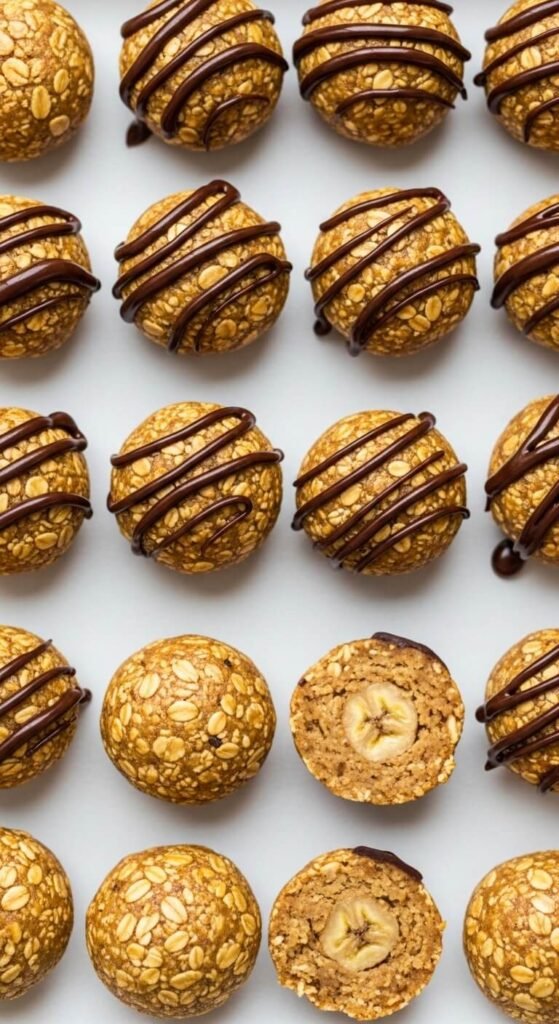
Mashed ripe banana, peanut butter, vanilla whey protein, rolled oats, and cinnamon produce a naturally sweetened protein ball where the banana reduces the need for added honey — saving about 50 calories per batch without sacrificing flavor or texture. Use very ripe, heavily spotted bananas for maximum sweetness and binding strength. The riper the banana, the more naturally sweet and cohesive the mixture. Add ¼ teaspoon of cinnamon for warmth. The banana adds enough moisture that the protein powder integrates smoothly without producing the dry, chalky texture that plagues many protein ball recipes that rely entirely on added sweeteners. Makes 20 balls for about $4.
7. Double Chocolate Casein Balls (Slow-Release)
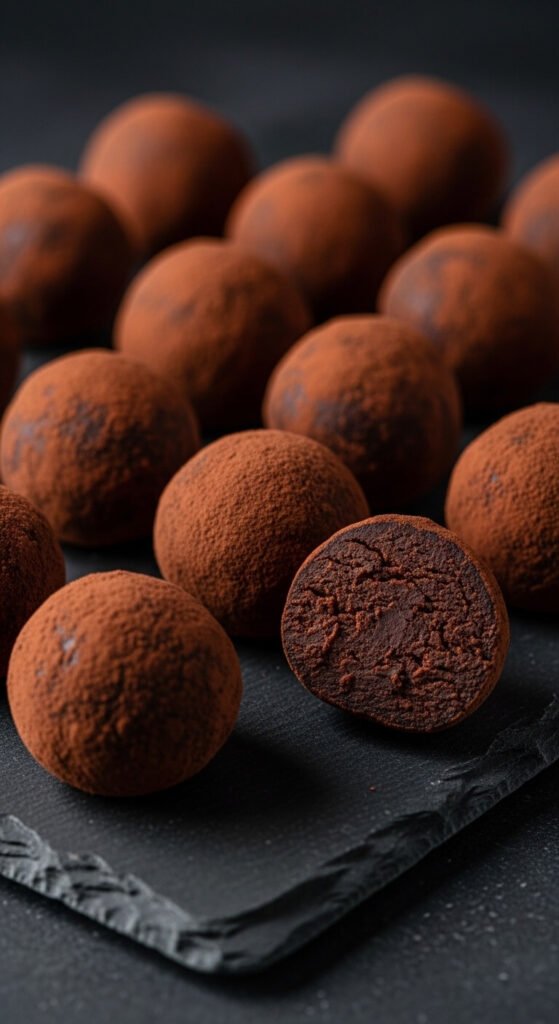
Chocolate casein protein, Dutch-process cocoa, almond butter, honey, and oats produce a slow-digesting protein ball specifically designed for overnight recovery rather than the immediate post-workout window. Casein protein digests over six to eight hours, making it the right protein source for a pre-sleep recovery snack after evening training. Use casein rather than whey for this specific recipe — whey digests too quickly for the overnight recovery purpose, while casein releases amino acids steadily throughout the night. Add two tablespoons of sifted Dutch-process cocoa alongside the chocolate casein for the deepest possible chocolate color and flavor. Makes 16 balls for about $6.
8. Matcha Green Tea Protein Balls

Vanilla whey protein, rolled oats, cashew butter, honey, and ceremonial-grade matcha produce a green ball with both protein and the natural caffeine from matcha — making these appropriate as a pre-workout snack as well as a post-workout recovery option. Use two teaspoons of matcha per batch — sift thoroughly before combining with other ingredients. The vanilla protein powder provides a neutral sweetness that balances the slight bitterness of the matcha. Do not use unflavored protein here — the combination of unsweetened protein and bitter matcha requires the vanilla’s sweetness for balance. Roll in fine shredded coconut. Makes 18 balls for about $5.
9. Chocolate Mint Protein Balls
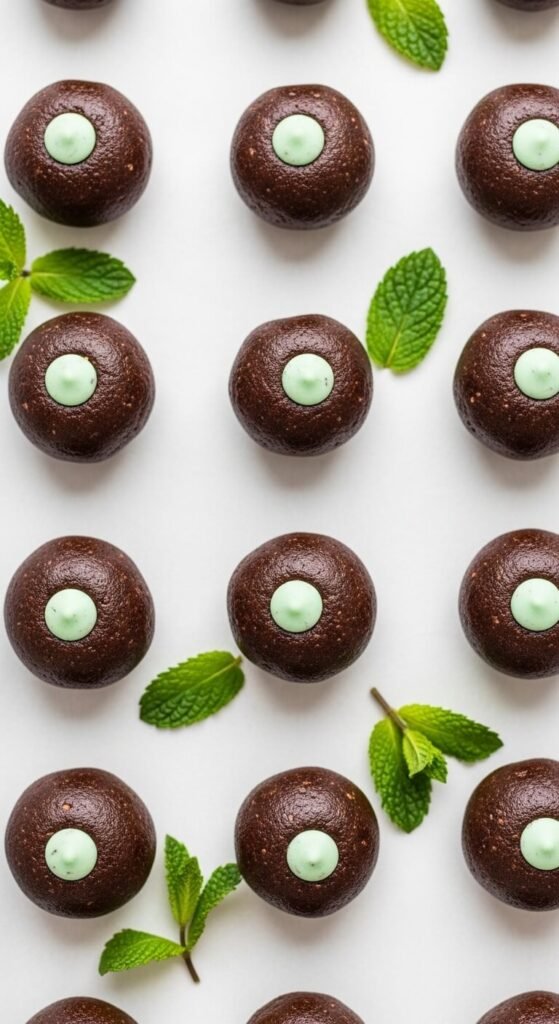
Chocolate whey protein, cocoa powder, almond butter, honey, oats, and pure peppermint extract produce a post-workout ball that tastes like a thin mint cookie while delivering approximately 8 grams of protein per serving. Use pure peppermint extract — not mint extract, which reads as spearmint and tastes medicinal — and start with ¼ teaspoon per batch before adjusting. Peppermint extract is significantly more concentrated than vanilla and very easy to over-add. Fold in ¼ cup of dark chocolate chips or mint chocolate chips for extra chocolate pockets. Budget tip: one small bottle of peppermint extract costs about $3 and handles approximately 20 batches of protein balls.
10. Sun Butter Protein Balls (Nut-Free)
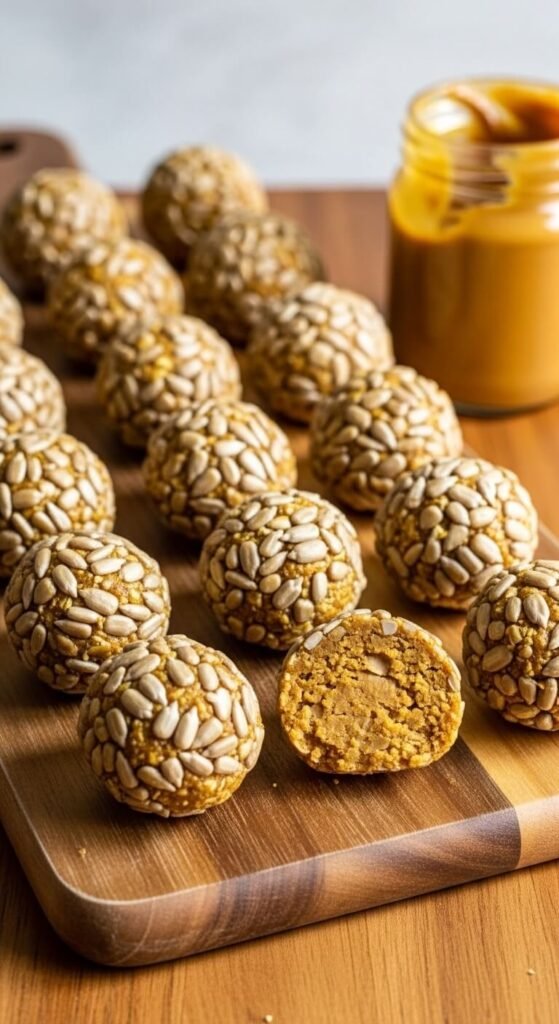
Sunflower seed butter, vanilla protein powder, rolled oats, honey, and sunflower seeds produce a completely nut-free protein ball safe for school environments, nut-allergy households, and any post-workout situation where nut-based options aren’t appropriate. Sunflower seed butter has a mild flavor that accepts protein powder cleanly without producing the heavy aftertaste that some nut-free alternatives create. One note: sunflower butter reacts with certain protein powders to turn balls slightly green — adding one teaspoon of lemon juice per batch prevents this discoloration with no effect on flavor. Makes 20 balls for about $5. Budget tip: store-brand sunflower butter costs about $2 less than specialty brands with comparable protein content.
11. Oat and Egg White Protein Balls
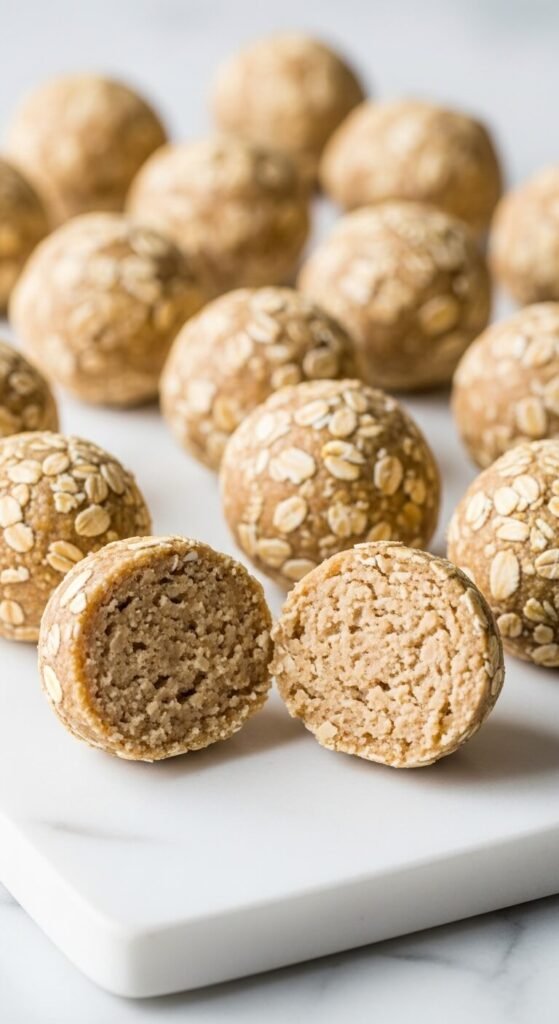
Rolled oats, pasteurized liquid egg whites, almond butter, honey, vanilla, and cinnamon produce a protein ball that uses egg whites as the primary protein source rather than protein powder — delivering approximately 6 grams of complete protein per ball from a whole food source. Use pasteurized liquid egg whites from a carton — not raw shell eggs — which are safe to consume without cooking due to the pasteurization process. The egg whites add protein and binding without adding fat or significantly altering the flavor. These have a slightly firmer set than standard energy balls due to the egg white protein structure. Refrigerate at all times. Makes 18 balls for about $5.
12. Mocha Protein Balls

Chocolate whey protein, instant espresso powder, almond butter, cocoa powder, honey, and oats produce a mocha-flavored post-workout ball where the coffee provides a natural energy component alongside the protein recovery support. The caffeine in one tablespoon of instant espresso powder — distributed across 18 balls — delivers a mild, sustainable energy note rather than a concentrated spike. The coffee and chocolate combination makes each ball taste significantly more sophisticated than a standard chocolate protein ball. Press one whole espresso bean into each ball top before refrigerating — it signals the mocha flavor clearly and adds a decorative detail. Makes 18 balls for about $5.
13. Cottage Cheese Protein Balls

Full-fat cottage cheese, rolled oats, honey, vanilla, protein powder, and mini chocolate chips produce one of the highest-protein balls in this list — cottage cheese delivers approximately 14 grams of protein per half cup, making each ball approximately 9 to 10 grams of protein when combined with the protein powder. Use full-fat cottage cheese and blend it completely smooth before mixing with the other ingredients — any visible curds in the finished ball are unpleasant in texture. The blended cottage cheese has a neutral, slightly tangy flavor that works well with vanilla and chocolate. Refrigerate for a full two hours before rolling for the cleanest results.
14. Chocolate Hazelnut Protein Balls
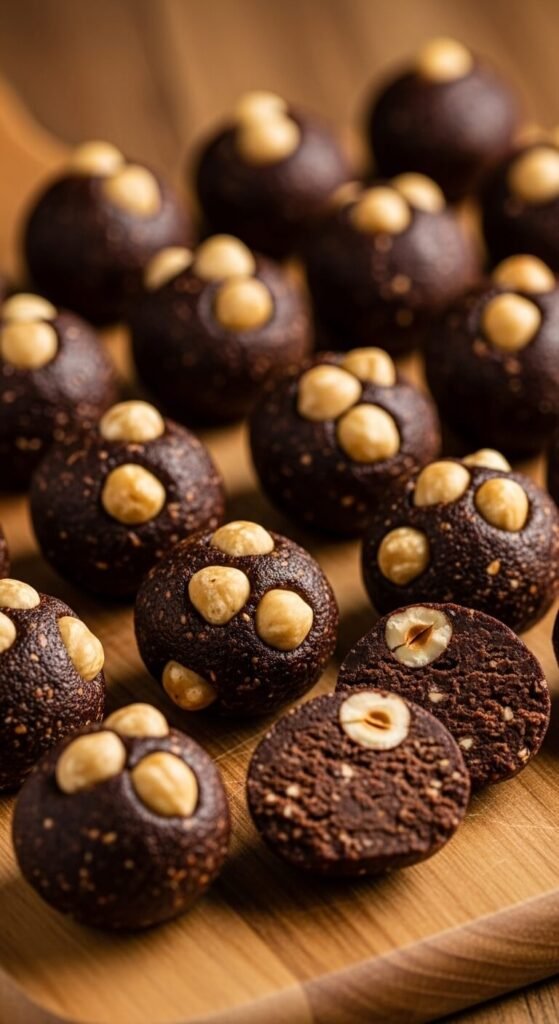
Chocolate whey protein, Nutella, cocoa powder, oats, and honey produce a hazelnut-chocolate protein ball that tastes like a Ferrero Rocher-inspired recovery snack. Nutella is sweeter than almond or peanut butter, so reduce the honey to one tablespoon per batch when using Nutella as the fat base. The combination of chocolate protein powder and Nutella produces a deeply flavored ball that masks the protein powder taste completely — which makes these particularly good for people who find protein powder flavor noticeable in other recipes. Press one whole roasted hazelnut into each ball before refrigerating. Makes 16 balls for about $6.
15. Lemon Protein Balls
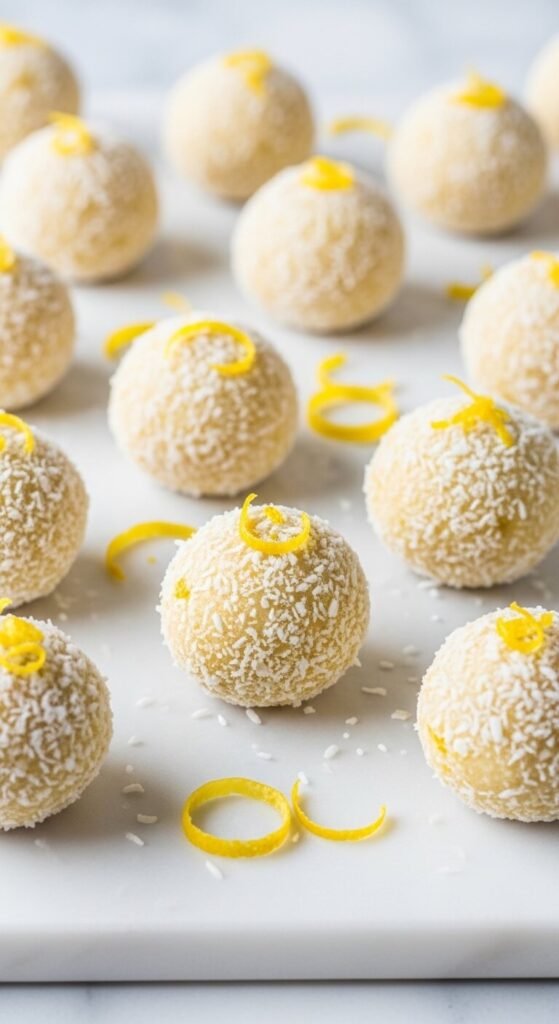
Vanilla whey protein, cashew butter, rolled oats, honey, fresh lemon zest, and lemon juice produce a bright, citrus-forward protein ball that delivers approximately 7 grams of protein per serving with a genuinely refreshing flavor profile. The lemon cuts through the richness of the cashew butter and prevents the protein ball from tasting heavy after a workout. Use two tablespoons of fresh lemon zest per batch — zest carries the citrus flavor without the excess moisture that additional lemon juice would introduce. Roll in fine shredded coconut. Budget tip: two lemons provide enough zest and juice for a full batch at about $0.80 total.
16. Peanut Butter Oat Protein Balls (High-Protein Version)
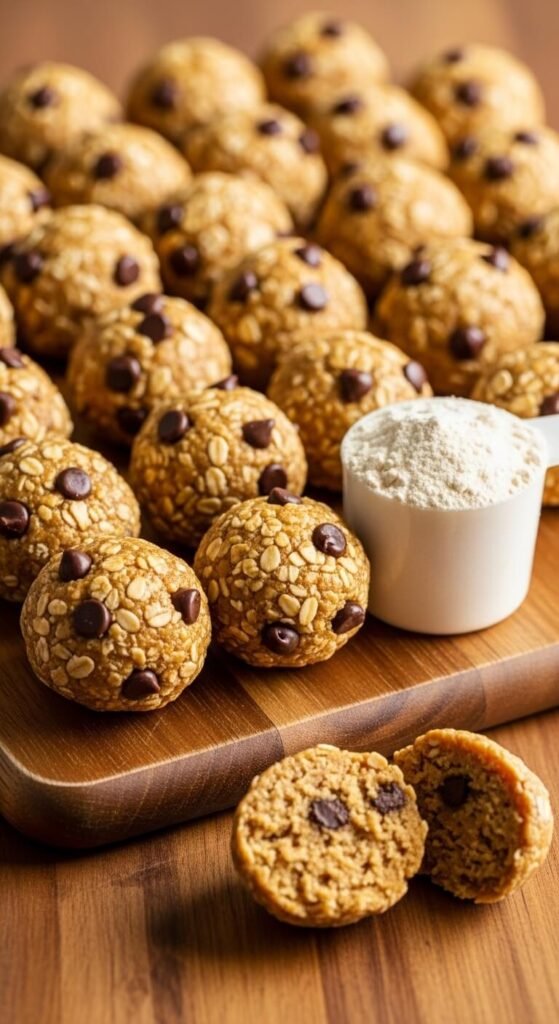
The highest-protein version of the classic ball — achieved by adding both protein powder and hemp seeds to the standard peanut butter oat base. Use ¼ cup of vanilla whey protein alongside two tablespoons of hemp seeds and one tablespoon of natural peanut powder in addition to the regular peanut butter. This combination delivers approximately 10 to 11 grams of protein per ball — competitive with many commercial protein bars at a fraction of the cost. The three protein sources each contribute a different amino acid profile, producing a more complete recovery profile than any single source alone. Makes 20 balls for about $5.
17. Black Bean Brownie Protein Balls
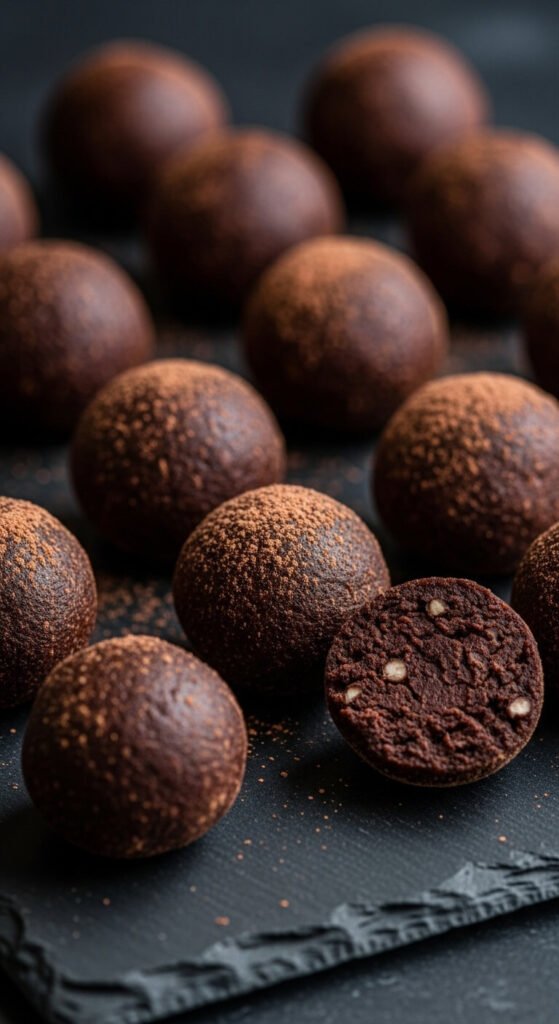
Canned black beans, cocoa powder, almond butter, honey, vanilla, and oats produce a protein ball where the black beans contribute approximately 7 grams of plant-based protein per half cup while remaining completely tasteless in the finished ball. Drain and rinse black beans thoroughly. Process until completely smooth — any detectable bean texture will make these unpleasant. Add Dutch-process cocoa, almond butter, honey, vanilla, and enough rolled oats to produce a rollable consistency. Refrigerate one hour before rolling. Roll in fine cocoa powder. Budget tip: one can of black beans costs about $0.90 and provides enough beans for two full batches of protein balls.
18. Edamame Protein Balls

Shelled edamame, almond butter, honey, vanilla protein powder, oats, and tahini produce one of the highest plant-protein balls in this list — edamame delivers approximately 9 grams of complete protein per half cup, making these genuinely competitive with whey-based options for plant-based athletes. Use thawed frozen shelled edamame processed until smooth. The mild, slightly sweet flavor of edamame pairs naturally with almond butter and tahini. The finished balls have a distinctive pale green color from the edamame that requires no food coloring. Roll in white sesame seeds for a clean, textured exterior. Makes 18 balls for about $5 using frozen edamame.
19. Chocolate Peanut Butter Pretzel Protein Balls
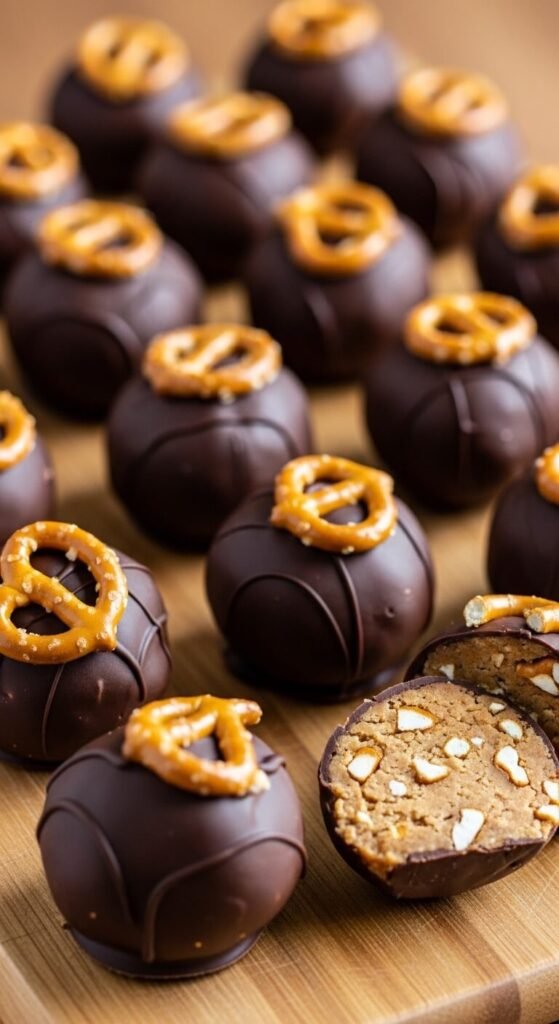
Chocolate protein powder, peanut butter, oats, honey, cocoa, and roughly crushed pretzels produce a salty-sweet-chocolatey protein ball that delivers approximately 8 grams of protein per serving and a satisfying crunch that plain protein balls can’t offer. The salt in the pretzels permeates the ball during refrigeration, creating a salted chocolate-peanut butter effect throughout every bite rather than just at the surface. Use pretzel pieces roughly crushed to pea-sized chunks — fine crumbs don’t add enough textural contrast. Fold in ½ cup of crushed pretzels per batch just before rolling. The pretzel pieces that protrude from the surface signal the crunch before the first bite.
20. Vanilla Almond Protein Balls
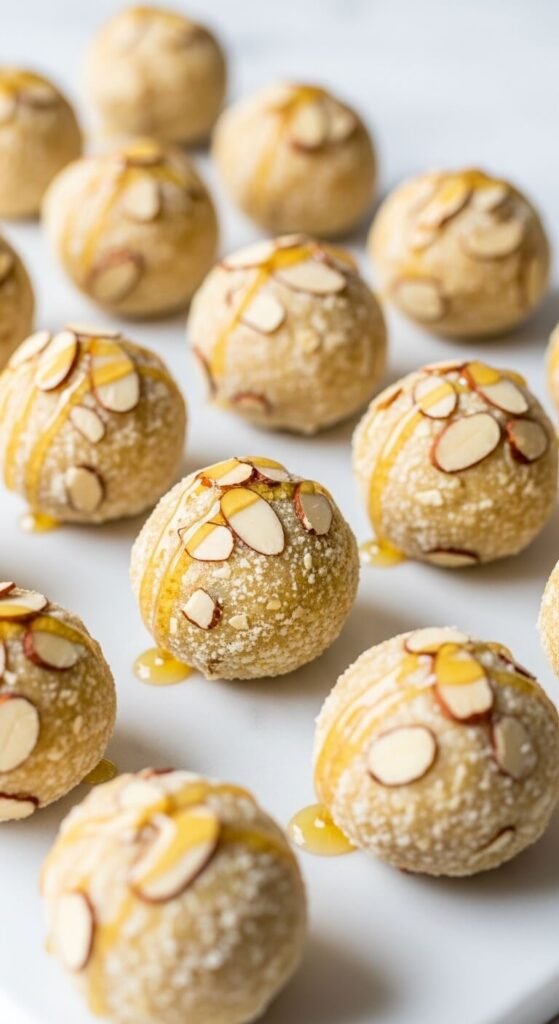
Almond flour, almond butter, vanilla whey protein, honey, vanilla, and a pinch of cardamom produce a softer, more delicate protein ball than the oat-based versions — the almond flour base creates a texture closer to a soft cookie than a dense energy ball. Almond flour contributes both protein and healthy fat, reducing the need for as much added nut butter. Use blanched almond flour rather than almond meal for the smoothest texture. Press sliced almonds into the surface of each ball before refrigerating. The cardamom adds a subtle warm-floral note that pairs beautifully with the almond and vanilla combination. Makes 18 balls for about $6.
21. Gingerbread Protein Balls

Vanilla whey protein, rolled oats, almond butter, molasses, honey, ginger, cinnamon, and clove produce a post-workout ball with the unmistakable gingerbread flavor profile — and the molasses is the specific ingredient that makes these taste authentic rather than just vaguely spiced. Add one tablespoon of unsulfured molasses per batch — it contributes a deep, slightly bitter sweetness that honey alone can’t replicate. Use one teaspoon of ginger, ½ teaspoon of cinnamon, and ¼ teaspoon each of clove and nutmeg. Roll in a mixture of fine powdered sugar and a pinch of cinnamon for a snow-dusted, holiday-appropriate exterior. Makes 18 balls for about $4.
22. Quinoa Protein Balls

Cooked quinoa, peanut butter, honey, vanilla protein powder, oats, and dark chocolate chips produce a protein ball where the quinoa contributes complete plant protein — all nine essential amino acids — and a distinctive, slightly crunchy texture. Cook quinoa according to package instructions and let it cool completely before incorporating — warm quinoa makes the mixture too loose to roll. Use ½ cup of cooked quinoa per batch alongside ¼ cup of protein powder. The quinoa adds approximately 4 grams of additional protein per batch distributed across all balls. Budget tip: one cup of dry quinoa costs about $2 and produces three cups cooked — enough quinoa for six batches of protein balls.
23. Salted Caramel Protein Balls

Vanilla whey protein, almond butter, dates, coconut oil, sea salt, and a small amount of caramel extract produce a post-workout ball that tastes convincingly of salted caramel while delivering approximately 7 grams of protein per serving. Process Medjool dates until they form a rough paste — they provide both the caramel flavor base and the natural sweetener. Add ¼ teaspoon of caramel extract alongside the vanilla for the most convincing salted caramel flavor. The flaky sea salt on top is non-negotiable — it creates the salt-sweet contrast that defines the salted caramel profile and makes these balls memorable rather than just sweet. Makes 16 balls for about $5.
Conclusion
Twenty-three no-bake protein balls — each one designed around the specific nutritional purpose of post-workout recovery rather than simply being an energy ball with protein powder added. The distinction matters: the right protein source, the right fat ratio, and the right timing of consumption each contribute to how effectively your body uses what you eat after training. Making these at home means you control the ingredients, the protein source quality, and the flavor — and you do it at a fraction of the cost of commercial protein bars that frequently deliver less actual protein than their packaging suggests. Start with the classic peanut butter chocolate version to get the technique right, then work through the list based on your flavor preferences, your training schedule, and your dietary requirements. Make a double batch on Sunday, store in the refrigerator for up to two weeks or the freezer for up to three months, and arrive at every post-workout moment with something ready that actually works as hard as you do.