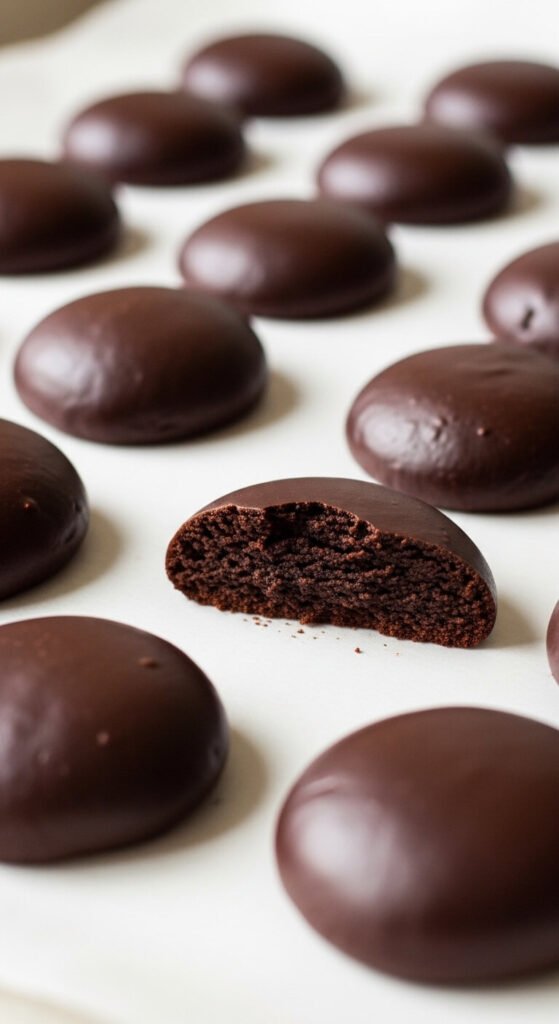
You know exactly the texture problem being described here. You bite into a no-bake cookie that looks perfect — matte, chocolate-dark, properly set — and instead of the smooth, fudgy interior you were expecting, you get a gritty, sandy crunch that dissolves into a vaguely sweet powder. It’s not quite right and you can’t stop noticing it. Grainy no-bake cookies are the result of one specific thing happening to the sugar during the cooking process — and once you understand what that thing is and why it happens, you can prevent it completely. Every batch. Every time. Without changing your recipe at all.
What’s Actually Causing the Graininess
The gritty texture in no-bake cookies is almost always sugar crystallization — and it has nothing to do with the sugar you’re starting with and everything to do with what happens to it during the boiling process.
Here’s what happens: When sugar dissolves in the butter and milk mixture and reaches a boil, the sucrose molecules are in solution — broken apart and evenly distributed through the liquid. The moment any undissolved sugar crystal contacts the boiling syrup — whether from sugar stuck to the pan walls, a grain of sugar on the spoon, or stirring the mixture at the wrong moment — it triggers a chain reaction. The dissolved sugar latches onto that crystal and rapidly recrystallizes throughout the entire mixture. You can’t see it happening on the stove. You see it later, in the finished cookie, as that unmistakable sandy texture.
The good news: Sugar crystallization is completely preventable with three simple techniques.
The Three Techniques That Eliminate Graininess
Technique 1: Brush the pan walls before boiling.
As the mixture heats, sugar splashes and sticks to the inside walls of the saucepan above the liquid line. Those stuck sugar grains are highly concentrated crystal seeds waiting to fall back into your syrup.
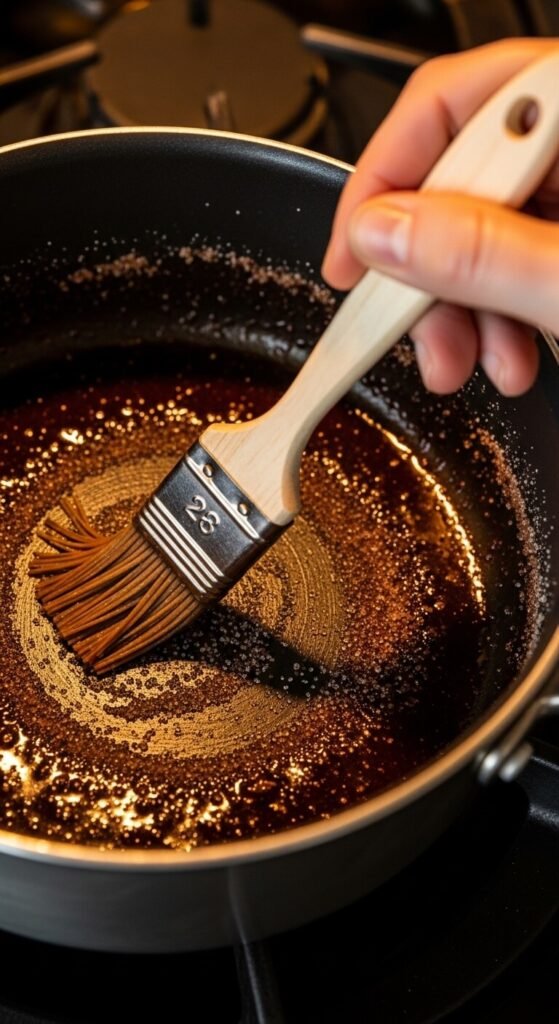
Use a pastry brush dipped in cold water to wash down the inside walls of the pan before the mixture comes to a boil. Do this once, early in the heating process, and those wall crystals dissolve harmlessly into the liquid before they can cause problems.
Technique 2: Don’t stir during the boil itself.
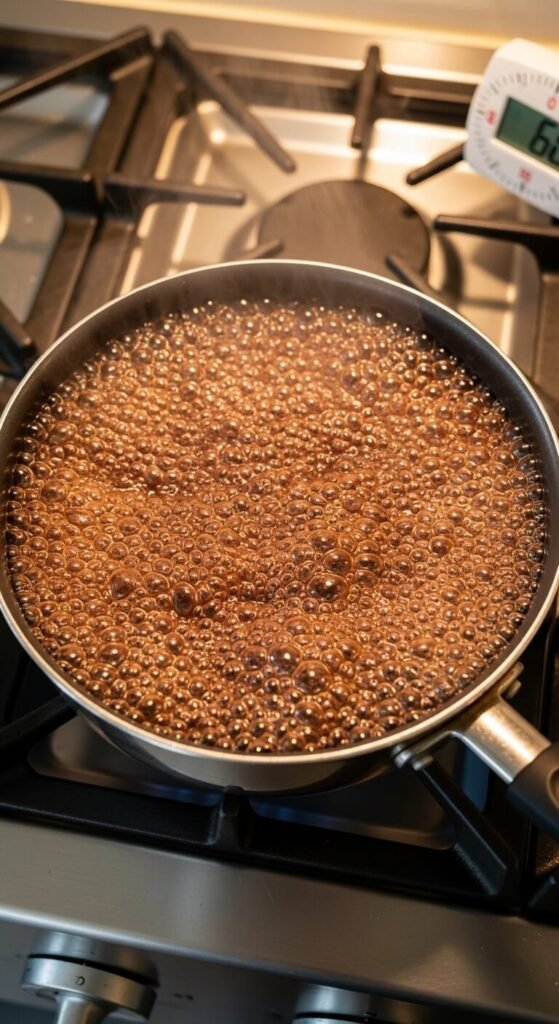
Stir constantly while the mixture heats up to dissolve the sugar and combine the ingredients. But once the mixture reaches a full rolling boil, stop stirring entirely. Stirring a boiling sugar syrup introduces air and agitation that encourages crystal formation. Let it boil undisturbed for the full 60 seconds with zero stirring.
Technique 3: Use a clean spoon every time.
Any spoon used to stir the mixture before boiling carries sugar crystals. If you use the same spoon to stir in the oats and peanut butter after removing from heat — and that spoon still has dried sugar on it — you introduce crystal seeds directly into the warm syrup at the most vulnerable moment. Use a fresh, clean spatula for the post-boil stirring stage.
The Full Recipe With Anti-Grain Technique Built In
Ingredients:
- 2 cups granulated white sugar
- ½ cup whole milk
- ½ cup unsalted butter
- ¼ cup Dutch-process cocoa powder — sifted
- ½ teaspoon salt
- 1 teaspoon pure vanilla extract
- ½ cup creamy peanut butter
- 3 cups old-fashioned rolled oats
Note on the cocoa powder: Sifting the cocoa before adding it to the pan eliminates any lumps that could act as nucleation points for crystal formation. Dutch-process cocoa also produces a noticeably smoother, deeper chocolate flavor than natural cocoa in this application.
The Complete Method
Step 1: Combine sugar, milk, butter, cocoa powder, and salt in a medium heavy-bottomed saucepan over medium heat. Stir continuously until the butter melts and the sugar fully dissolves.
Step 2: As the mixture heats, use a damp pastry brush to wash down the inside walls of the pan once.
Step 3: Continue stirring until the mixture approaches a boil, then stop stirring completely.
Step 4: Let it reach a full rolling boil — bubbling vigorously across the entire surface — and start your timer for exactly 60 seconds.
Step 5: Remove from heat the moment the timer goes off. Do not guess. Use the timer.
Step 6: Using a clean rubber spatula — not the spoon you used earlier — stir in the vanilla, peanut butter, and oats quickly until completely combined.
Humidity and Temperature — The Environmental Factors
Even with perfect technique, environmental conditions affect no-bake cookie texture. Understanding these prevents frustration on days when the technique is right but the results are still slightly off.
High humidity days: Moisture in the air is absorbed by the sugar in the cooling cookies, which can trigger surface crystallization even in a perfectly made batch. On humid days, run the air conditioning or a dehumidifier in the kitchen, and let the cookies set in an air-conditioned room rather than near an open window.
Altitude: At higher elevations, water boils at a lower temperature — which means your mixture may not reach the full soft-ball stage temperature in the standard 60-second boil. At elevations above 3,500 feet, extend the boil by 10 to 15 seconds to compensate.
Pan material matters: A heavy-bottomed stainless or enameled saucepan distributes heat evenly and prevents hot spots that cook the sugar unevenly around the base. Thin aluminum pans create hot spots that scorch the bottom while the top of the mixture remains under-cooked.
What Grainy Cookies Tell You and How to Adjust
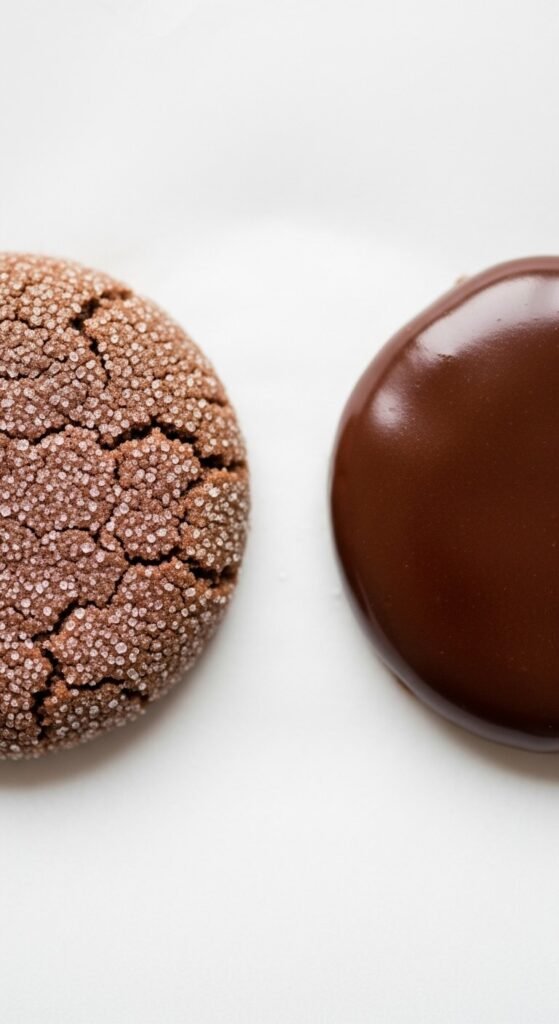
Grainy throughout the cookie: Classic crystallization from one of the three causes above — pan wall crystals, stirring during the boil, or a contaminated spoon. Apply all three prevention techniques next batch.
Grainy only on the surface: The cookies were cooled in a humid environment or covered while still warm, trapping moisture against the surface. Let them cool completely uncovered in a dry room.
Grainy and also crumbly: The mixture was over-boiled and the sugar went past soft-ball stage into firm-ball. Pull the pan 5 to 10 seconds earlier next time, or add a teaspoon of light corn syrup to the mixture before heating — corn syrup interferes with crystallization and acts as additional insurance against both graininess and brittleness.
Save This Recipe — Smooth Cookies Are One Technique Away
Grainy no-bake cookies aren’t a recipe problem — they’re a technique problem with a completely reliable solution. Brush the walls, stop stirring at the boil, use a clean spatula for the finish, and you will never bite into a sandy no-bake cookie again.
Pin this article to your baking tips or no-bake recipes board right now — it’s the troubleshooting guide that turns a frustrating recipe into a foolproof one, batch after batch.