You’re mid-recipe, butter is already melting on the stove, and you open the fridge to find an empty milk jug. It happens to everyone. The good news? No-bake cookies don’t actually need dairy milk to turn out perfectly. In fact, some milk substitutes make them taste even better than the original. Whether you’re dairy-free, lactose intolerant, vegan, or simply out of milk on a Sunday afternoon, this guide covers every substitute worth knowing — and exactly how to use each one without changing a single thing about the cookies you love.
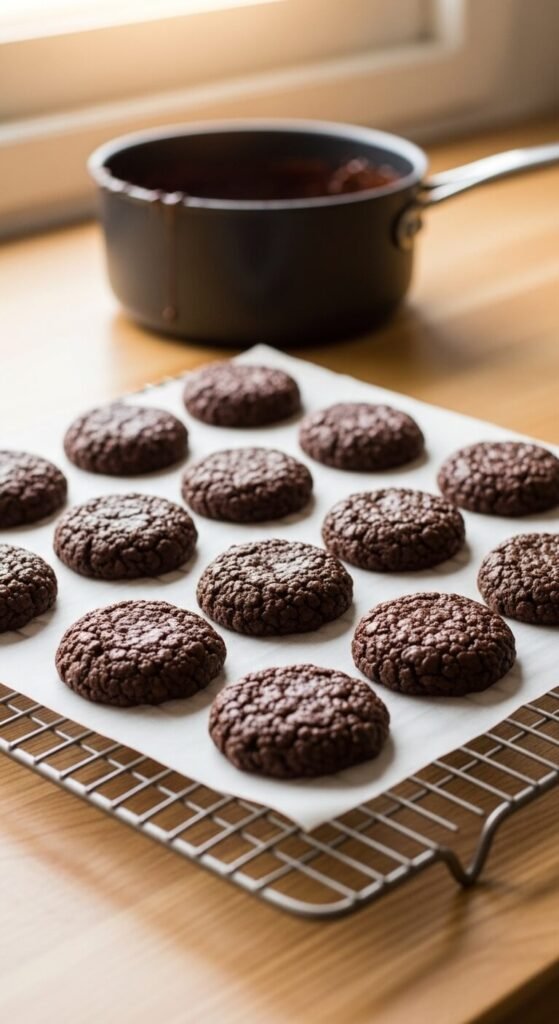
Why Milk Matters in No-Bake Cookies — And Why It’s Easy to Replace
Traditional no-bake cookies use milk for two reasons: it adds fat and liquid to the sugar-butter mixture as it boils, and it contributes a mild creaminess to the final flavor.
Neither of those roles is unique to dairy milk.
Any liquid with a similar fat content and neutral-to-creamy flavor profile will behave the same way in the pot and produce the same result on the rack. The cookies set through the chemical reaction between sugar and heat — not through any property specific to cow’s milk.
That means you have more options than you might think. And most of them are already in your kitchen.
The Best Milk Substitutes for No-Bake Cookies
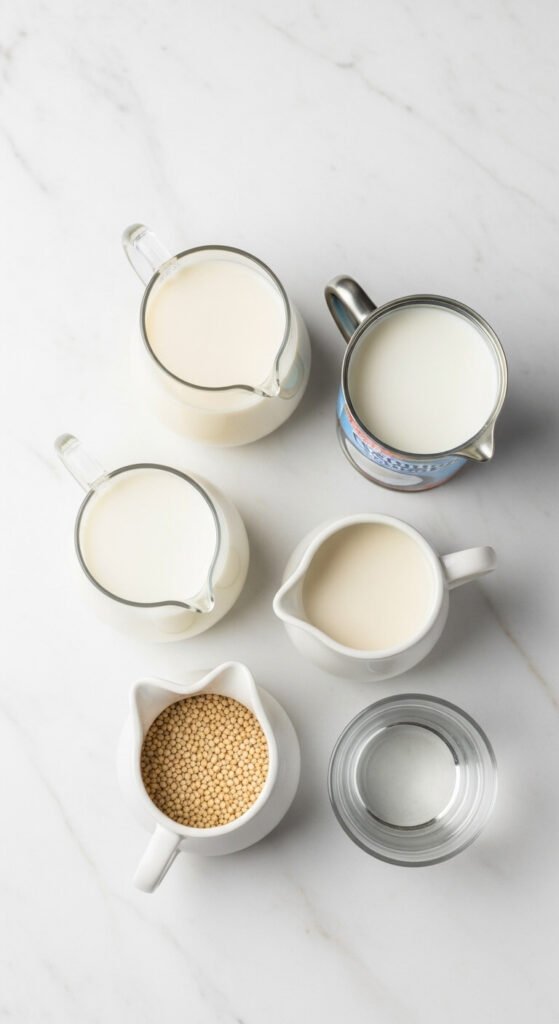
Here’s a breakdown of the substitutes that work best — what they bring to the recipe and when to reach for each one.
Oat Milk The closest in flavor and consistency to regular dairy milk. It’s slightly sweet, creamy, and completely neutral in a chocolate or peanut butter cookie. Use it in a 1:1 ratio — no adjustments needed. This is the easiest swap for anyone who wants a result that tastes identical to the original.
Almond Milk Works well but is thinner than dairy milk, which means the boiling mixture may take an extra 30 to 60 seconds longer to reach the right consistency. Use unsweetened almond milk to avoid making the cookies too sweet. Stick to the full-fat or barista-style version if you can find it — it behaves more like regular milk in the pot.
Coconut Milk (canned) The richest substitute on the list. Full-fat canned coconut milk adds a subtle coconut flavor and a noticeably creamier texture than dairy milk. The cookies may set slightly firmer and feel more fudge-like. This is a great choice if you want a more indulgent, dense result. Use a 1:1 ratio.
Soy Milk One of the most structurally similar substitutes to dairy milk — similar protein content, similar fat, similar behavior under heat. Unsweetened plain soy milk produces cookies that are nearly indistinguishable from the original. A reliable choice for anyone baking for someone with a dairy allergy who wants no surprises.
Water The emergency option. Plain water works in a pinch — the cookies will still set because the boiling process is what matters, not the specific liquid. They’ll be slightly less creamy and rich in flavor, but they’ll still be recognizably the same cookie. If you use water, add an extra tablespoon of butter or peanut butter to compensate for the missing fat.
The No-Bake Cookie Base Recipe (Dairy-Free Version)
Here’s the classic recipe, rewritten for any milk substitute. The method is exactly the same as the original — only the milk changes.
Ingredients:
- 2 cups granulated sugar
- ½ cup butter (or vegan butter for fully dairy-free)
- ½ cup milk substitute of your choice
- ¼ cup cacao powder or cocoa powder
- ½ teaspoon salt
- 3 cups certified rolled oats
- ½ cup peanut butter
- 2 teaspoons vanilla extract
Instructions:
- Combine sugar, butter, milk substitute, cocoa powder, and salt in a medium saucepan over medium heat
- Stir constantly until the butter melts and the mixture is smooth
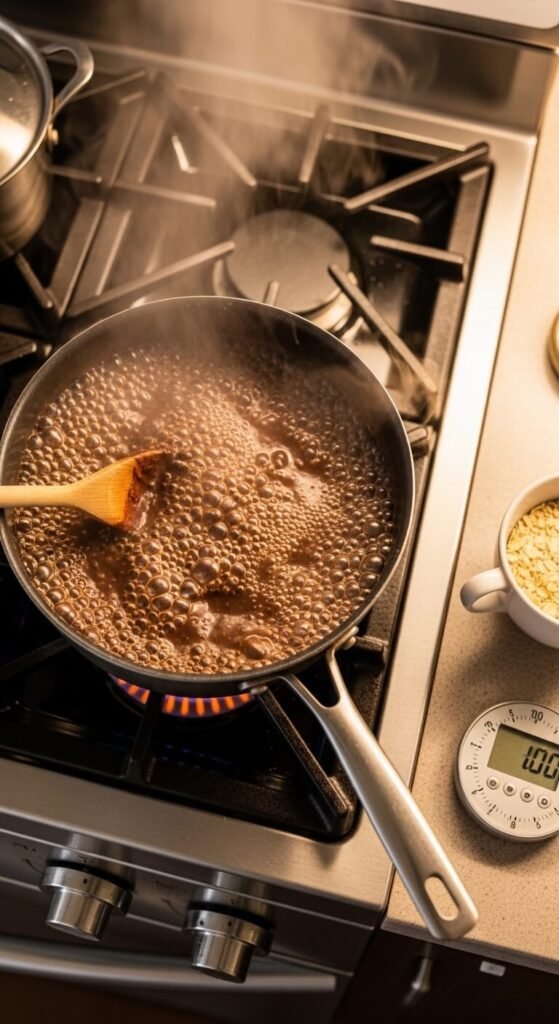
- Bring to a full rolling boil — not a simmer, a boil — and hold it there for exactly 60 seconds, stirring continuously
- Remove from heat immediately
- Stir in oats, peanut butter, and vanilla until fully combined
- Drop by tablespoon onto parchment-lined baking sheets
- Let sit at room temperature for 30 to 45 minutes until fully set
The Most Common No-Bake Cookie Problem — And How to Fix It
If your no-bake cookies aren’t setting up properly, the milk substitute is almost never the culprit. The real cause is almost always the boiling time.
Cookies that stay soft and sticky: The mixture didn’t boil long enough. Under-boiling is the number one reason no-bake cookies fail. The full rolling boil needs to be sustained for a full 60 seconds — not 45 seconds, not “once it starts bubbling.” Use a timer.
Cookies that turn out crumbly and dry: The mixture boiled too long, or the ratio of oats is slightly off. If using a thinner milk substitute like almond milk or water, watch the mixture closely — it may reach the right temperature a little faster.
Cookies that are too soft even after an hour: Try placing them in the refrigerator for 15 minutes to help them firm up faster.
The good news is that even slightly imperfect no-bake cookies still taste great. Soft ones become a fudgy spoonable dessert. Crumbly ones work pressed into a crust. Nothing is actually wasted.
Quick Tips for the Best Results
A few extra details that make a consistent difference:
- Use room temperature peanut butter — cold peanut butter doesn’t fully incorporate and can cause uneven texture
- Have your oats pre-measured and ready before you start boiling — you need to move fast once the pan comes off the heat
- Line your sheet with parchment, not foil or a bare surface — cookies release cleanly from parchment and set more evenly
- Drop cookies quickly — the mixture starts setting as soon as it hits room-temperature air, so work fast once you start spooning
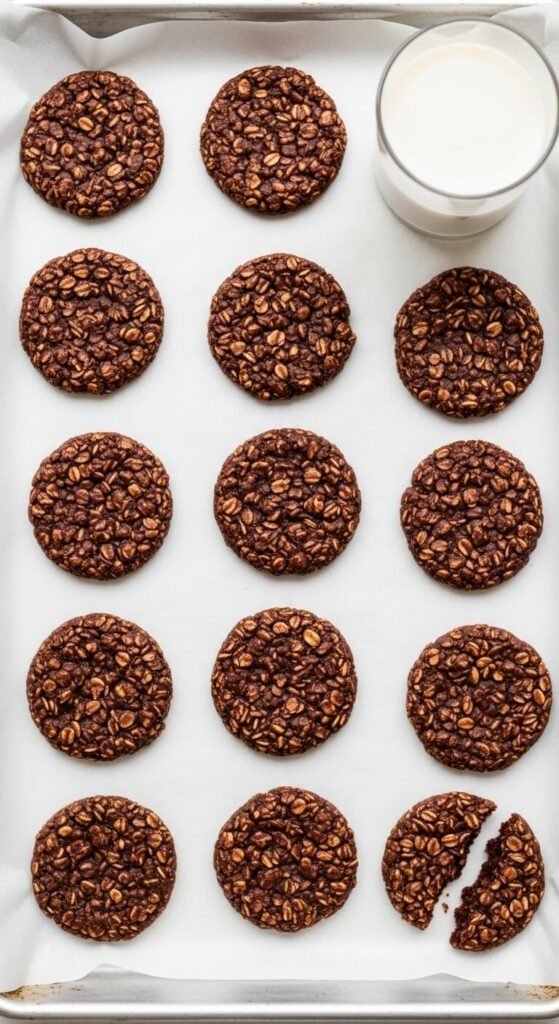
Your Milk-Free No-Bake Cookies Are Waiting
Running out of milk is no longer a reason to skip the cookies. Oat milk, almond milk, coconut milk, soy milk, or even plain water — every one of them gets you to the same delicious result when you follow the method correctly. The boil time is the only thing that truly matters.
Make one batch with oat milk this week and you’ll never worry about the missing milk carton again.
Save this article for the next time you’re mid-recipe and out of milk — and share it with anyone who’s been skipping no-bake cookies because of a dairy allergy.